High blood pressure
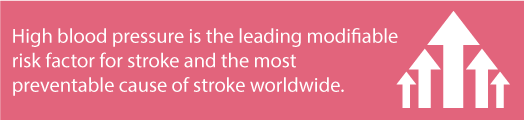
High blood pressure, also known as hypertension, is the most important known risk factor for stroke.
Blood pressure measures how hard your blood pushes against the walls of your arteries as your heart pumps it around your body.
Normal blood pressure is around 120/80. If your blood pressure is regularly over 140/90, you have high blood pressure.
High blood pressure puts a strain on blood vessels all over the body, including the arteries that lead to the brain. This means the heart has to work much harder to keep the blood circulation going.
High blood pressure can lead to a stroke in several ways:
- It damages blood vessel walls and makes them weaker.
- It can speed up common forms of heart disease.
- It can cause blood clots or plaques to break off artery walls and block a brain artery.
The higher the blood pressure, the greater the stroke risk.
What causes high blood pressure?
In most cases, there is no clear cause. However, there are risk factors that have been linked to high blood pressure:
- A family history of high blood pressure
- Age – blood pressure can rise as you get older
- Men are more likely to have high blood pressure than women
- Being overweight
- Drinking too much alcohol
- Smoking
- Diabetes
- Lack of exercise
- A diet high in salt.
Control your risk
Know your blood pressure and keep it down. Your doctor can help you to regularly check your blood pressure.
You can control your blood pressure by eating a diet low in salt and high in fruit, vegetables and whole grains, moving more, and maintaining a healthy weight.
Medicines can lower your blood pressure. These medicines are called anti-hypertensives.
The lower your blood pressure, the lower your risk of stroke.
More information
High Blood Pressure and Stroke Fact Sheet (pdf)
How to Guide - Reading Your Blood Pressure (pdf)
Your doctor will usually be the one to ask you to measure your blood pressure at home. When measuring at home, it's important to use an approved device that has been tested for accuracy.