From the Stage to the Stroke Ward
June 18, 2026
By Mez
Before my stroke, life looked very different.
I was living in Dubai and working as a professional dancer, which had been my dream since I was young. Dance wasn't just my job - it was a huge part of who I was. I loved performing, travelling, being active, and constantly challenging myself to achieve more.
I would have described myself as ambitious, independent, and determined. I was always on the go, always working towards the next goal. I never thought twice about things like walking, seeing, feeling or moving. They were things I simply took for granted.
Looking back, I think I measured a lot of my worth through what I could achieve and what my body could do.
Then everything changed.
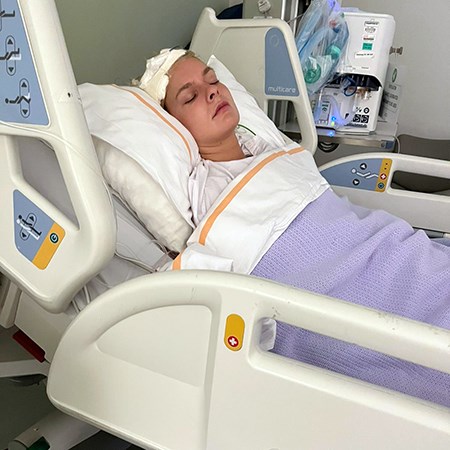
I don't actually remember having my stroke. I collapsed suddenly and, from what I've been told, I looked like I had died. I spent 11 days in intensive care in Dubai, but I have no memory of that time at all.
Because my insurance money was running out, I had to return to the UK before my rehabilitation was complete. Looking back, it feels surreal that I flew home on a normal commercial flight after everything that had happened.
Once I arrived back in Wales, I spent around six months on a stroke ward.
That whole period is incredibly hazy.
I didn't fully understand what had happened to me or the extent of my injuries. I didn't realise I had lost movement and feeling down my right side. A lot of those early memories are missing, so much of what I know now comes from stories my family and friends have told me.
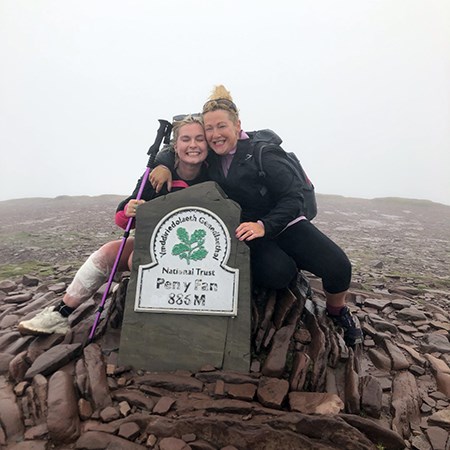
What I do remember is the challenge of learning to walk again.
As a professional dancer, movement had always come naturally to me. Suddenly, I couldn't do the most basic things for myself.
Standing up, taking a step, getting dressed, or making a cup of tea.
Things that once required no thought became enormous achievements.
It was physically exhausting and emotionally devastating.
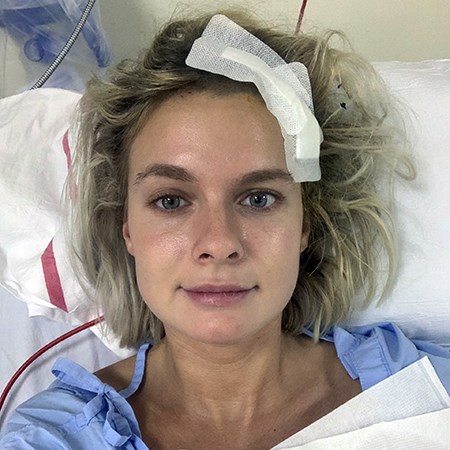
One minute I was living independently in Dubai and pursuing my dream career. The next, I was on a stroke ward trying to work out how to move my body again.
I remember the frustration more than anything else.
As a dancer, I knew exactly what my body used to be capable of, and suddenly it wasn't doing what I wanted it to do.
But I was also determined, I didn't really have a choice but to keep going.
Recovery meant celebrating small wins: taking a few steps, becoming more independent, and doing things for myself again.
Those moments might have seemed small to other people, but to me they meant everything.
Over time, I realised something important.
While my stroke had changed my body, it hadn't changed who I was at my core.
The determination, resilience and drive that helped me become a professional dancer were still there. I just had to use them differently.
Instead of training for performances, I was training for recovery.
Instead of learning choreography, I was learning how to walk.
Rebuilding my confidence didn't happen overnight. It came from proving to myself, one small step at a time, that I was still capable of building a meaningful life.
Today, I live with a mixture of visible and invisible disabilities.
People might notice that I walk differently, but they can't see my vision loss, the lack of feeling down my right side, the mental fatigue or the concentration that everyday tasks can require.
One of the biggest misconceptions about disability is that if someone looks well, people assume they are well.
Recovery doesn't mean you're back to normal.
People often see how far you've come and assume you're fine, but they don't see the challenges you're managing behind the scenes every day.
I wish more people understood that disability doesn't mean inability.
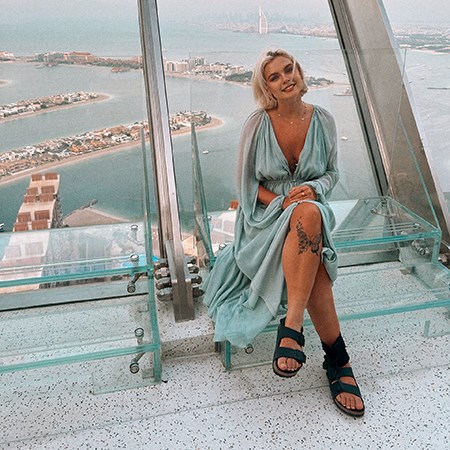
My life looks different to the one I imagined before my stroke, but I'm still ambitious, determined and capable. Sometimes I just have to do things differently, and that's okay.
Having a stroke as a young person can also be incredibly isolating.
Most people associate stroke with older age. When it happens in your twenties, it can feel like nobody around you truly understands what you're experiencing.
Your friends are building careers, travelling and planning their futures while you're attending hospital appointments, going to rehabilitation and trying to adjust to a completely different reality.
That's one of the reasons I started sharing my story through my Instagram page, @lifeafterbraininjury_.
I wanted people to know they weren't alone.
Not everyone has someone who understands what they're going through. Brain injury and stroke can be isolating, and sometimes hearing someone say, "I've felt that too" can make all the difference.
My goal has never been to focus on myself. It's been about raising awareness, sharing the realities of life after brain injury, and helping others feel seen.
If sharing my story gives someone hope or helps them feel less alone, then that's exactly why I continue to do it.
When people ask what I'm most proud of, I don't think it's any one milestone.
It's the fact that I never gave up.
Of course, learning to walk again is something I'm incredibly proud of. Losing the ability to move my body after spending years dancing was heartbreaking.
But I'm also proud of the life I've built since my stroke.
I'm proud that I've adapted, stayed independent, and found a way to keep moving forward despite the challenges I face every day.
Most of all, I'm proud that I've been able to use my experience to help others.
If I could share one piece of advice with another young survivor, it would be this: don't compare your recovery to anyone else's.
Every stroke is different.
Every brain injury is different.
Every recovery is different.
Focus on your own journey and celebrate the small wins, no matter how insignificant they might seem.
Be kind to yourself.
Keep going.
At the start, I never thought I would get to where I am today.
Your future may look different from what you planned, but it can still be meaningful, fulfilling and joyful.
If there is one thing I want people to remember, it is this: There is always hope, even if you cannot see it yet.
If this story resonates with you and you have question, please call the team on StrokeLine 1800 787 653