I Never Wanted Anyone to Feel as Lost as I Did After Stroke
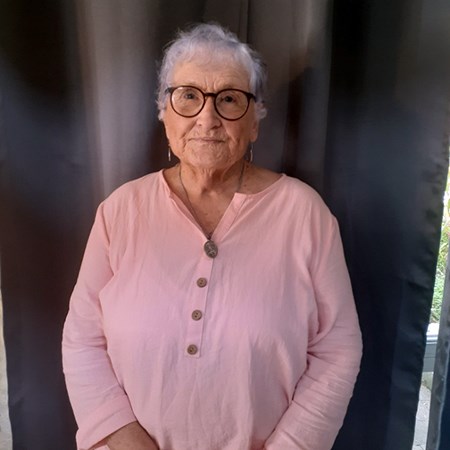
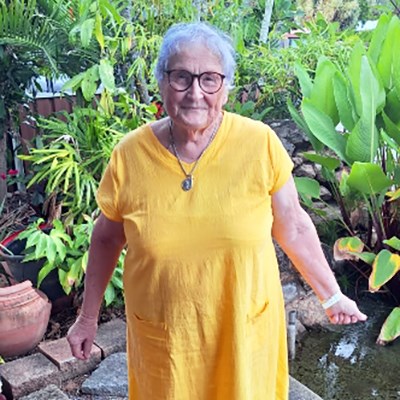
By Jan
After having had two strokes myself, I know just how frightening and uncertain life after stroke can feel. Even years later, stroke can still bring long-term challenges that people may not always see or understand. That’s a big part of why I became involved in advocacy work.
Over the years, I’ve had the chance to be part of consumer advocacy, Queensland Health discussions, and stroke-related meetings, always with one simple goal in mind: to help make things a little easier for the people coming after me.
One of the hardest moments after stroke, in my experience, is leaving hospital. While you’re there, you have doctors, nurses and support around you. Then suddenly you’re home, and it can feel like, “Well… what happens now?” It’s a frightening time, not just for survivors, but for families too. I never want people to feel like they’re facing that alone.
I especially care about people living in rural and remote communities, where getting access to rehab, support, and services can be so much harder. If sharing my experience helps improve things, even just a little, then to me, that’s time very well spent.
Recently, I had the privilege of helping contribute to a new stroke guide that Queensland Health will be using. My role was to bring the lived experience perspective, to share what those early days after stroke really feel like, and what survivors and families might need most in that moment.
For me, it was important that the guide felt simple, practical, and reassuring. When you’ve just had a stroke, everything can feel overwhelming. There’s so much information, so many emotions, and often a lot of uncertainty. People need clear information, practical advice, and reassurance that helps them make sense of what’s happening.
I also wanted the guide to be meaningful for people no matter where they live, whether that’s in the city, regional Queensland, or somewhere more remote. Stroke recovery doesn’t look the same for everyone, and access to support certainly doesn’t either.
I truly believe people with lived experiences bring something that can’t be learned from a textbook. Healthcare professionals do extraordinary work, and I’m incredibly grateful for the care I received. But survivors and families understand a different side of stroke, the emotional side. The fear. The confusion. The tears that can come out of nowhere. The challenge of returning home and trying to figure out what your life looks like now.
That perspective matters.
I hope this guide helps stroke survivors and families better understand what’s happened, what support is available, and when to seek help. And for healthcare professionals, I hope it’s a reminder of just how much clear communication, compassion, listening, and reassurance can mean during a really difficult time.
Looking back, being part of this work honestly feels like a bit of a dream come true. Like many survivors, I never imagined my own experience would one day help shape care for others. If I had only helped one person, I would have been happy. Knowing this work may help many more is something I feel deeply grateful for.
I also hope it encourages more people with lived experience to get involved. Our experiences matter. Our voices matter. And sometimes the insights that come from living through something can help create real change.
Thank you to Stroke Foundation and Queensland Health for listening, valuing lived experience, and creating space for people like me to be part of shaping better care for the future.