By Cheyanne
It was January 2023, just weeks before my 24th birthday.
We’d been out yabbing that day, enjoying the sun. When we got home, I bent down to put our daughter to bed. As I stood back up and took a few steps, I suddenly felt really faint and collapsed.
When I came to, I was lying on the floor and the whole room was spinning.
At the time, I honestly thought I’d just overdone it - too much sun, not enough food, exhausted from being a mum. I went to bed thinking I could sleep it off.
But the next day, I knew something wasn’t right.
My fiancé would ask me simple questions like, “Where are the keys?” and I couldn’t answer properly. I kept responding with things like, “Yeah okay,” even though in my mind I knew exactly what he was asking and I knew the answer. It was like my brain and my mouth weren’t connecting.
I noticed my face had drooped slightly, especially around my mouth. My speech wasn’t slurred, but my left arm and leg felt extremely heavy and weak. I couldn’t lift them properly.
We went to our local hospital, but the CT scan didn’t show anything. At first, they weren’t sure what was happening. They mentioned seizures. Even an insect bite.
My younger sister kept saying she thought I’d had a stroke, but I didn’t believe it.
I was young. Strokes don’t happen to young people… right?
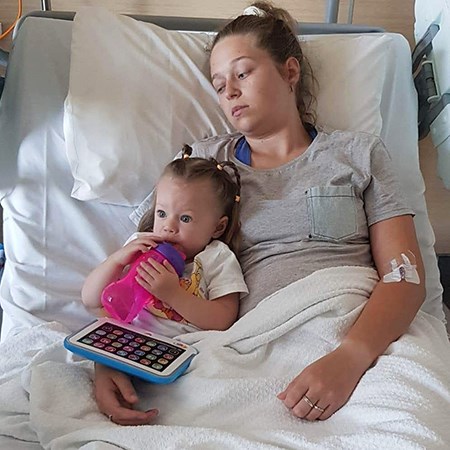
I was transferred to a hospital an hour and a half away. After waiting three days for an MRI, they confirmed I’d had a cerebellar stroke.
That’s when they discovered the cause - I had an undiagnosed hole in my heart. A blood clot had passed through and travelled to my brain.
It was terrifying. Completely unexpected. And it changed our lives in an instant.
Racing Was My Life
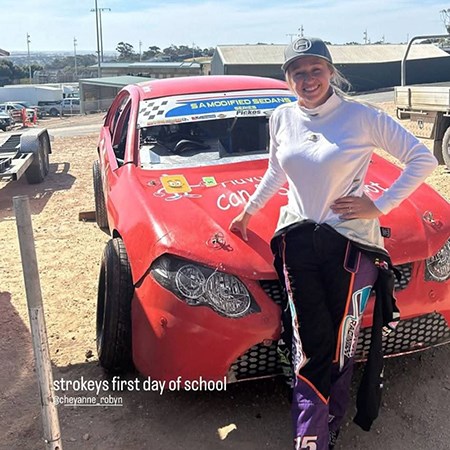
Before my stroke, racing was everything.
Weekends at the track. Late nights working on the car. The adrenaline. It wasn’t just a hobby - it was our life. It’s what we did together as a family.
After my stroke, racing suddenly felt so far away. Like something, I might never get back.
I was still at every meeting. I’m part of the Modified Sedans SA committee. I did social media, crewed for my fiancé and my dad, helped wherever I could. But deep down, I thought that might be the only way I’d ever be involved again.
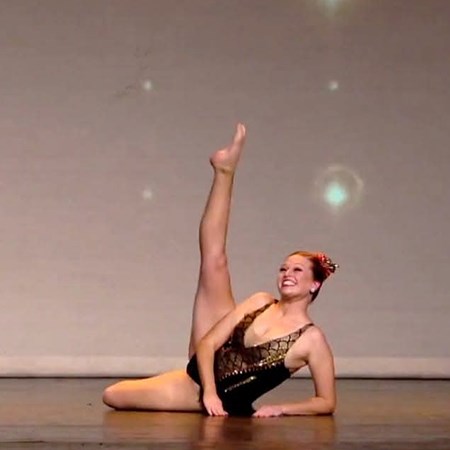
That’s when calisthenics became such a huge part of my recovery. Racing felt impossible. Calisthenics gave me something to focus on. It gave me a team again. Training. Coaching. Competing solo. It gave me purpose.
Now, whether it’s a lap on the track or stepping onto the stage, I don’t take any of it for granted. I know what it feels like to almost lose it.
Being a Mum Kept Me Going
There were days I felt scared, frustrated, and completely exhausted.
Then I’d look at her and remind myself - I didn’t have the option to give up.
I wanted to be present for her. I needed to be present for her. I wanted her to grow up with her mum still able to live life fully.
And I wanted her to see strength.
Not the kind where everything is perfect - but the kind where you keep showing up even when it’s hard.
Learning to Trust My Body Again
Returning to driving wasn’t just physical.
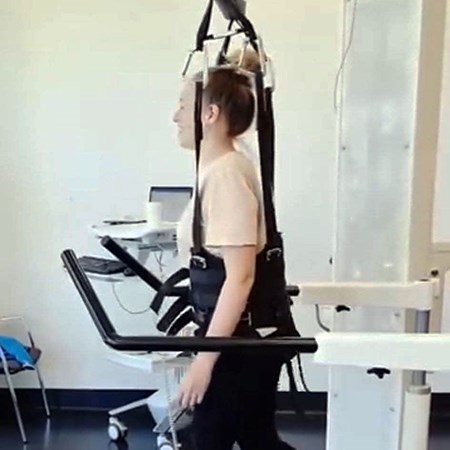
Physically, I had to rebuild strength and coordination on my left side.
Mentally, I had to learn to trust my body again. After a stroke, you don’t just bounce back. You question everything.
Emotionally, I had to accept that racing wasn’t something I could just jump straight back into.
That’s why calisthenics meant so much to me. It kept my mindset strong while I worked toward my bigger goal - getting back in the race car.
It helped me feel like I was moving forward instead of just waiting.
The Racing Community Carried Me
The racing community blew me away.
Drivers, crews, people I’d only met briefly - they reached out. It reminded me how strong our speedway family really is.
When your whole world changes overnight, having that kind of support is everything.
What surprised me most was how many people genuinely cared.
It reminded me that I wasn’t doing this alone. My family wasn’t doing this alone.
The First Time Back Behind the Wheel
Getting back behind the wheel was emotional.
I thought it would just be excitement. But it was everything at once - nerves, adrenaline, gratitude… and a little bit of fear.
There were moments when I genuinely didn’t know if I’d ever sit in a race car again.
So when I finally climbed back in, put my hands on the wheel, and felt that familiar seat around me… it hit me hard.
The sounds. The atmosphere. It felt like coming home.
I remember sitting there with tears in my eyes and my heart in my throat thinking, “This is what I fought for.”
It wasn’t just about driving again. It was about getting a part of my life back that I thought I’d lost forever.
The Small Wins Matter Most
People see the big moment - for me, it was returning to racing.
They don’t see what recovery really looks like behind closed doors.
They don’t see the frustration. The tears. The days when you feel trapped inside your own body.
Some days the win wasn’t walking further or getting stronger.
Some days the win was getting dressed without crying because I couldn’t remember how to put my pants on properly. Or because my body just wouldn’t cooperate.
Those small, invisible wins are what built me back up.
And that’s what I’m most proud of - that I kept going, even when the progress felt small.
My Goals Look Different Now
Of course, I still want to win. That competitive side of me isn’t going anywhere.
But now it’s about more than trophies.
Every lap means something.
I want to show people the behind-the-scenes side of racing - the hard work, the setbacks, the rebuilds, the comebacks. I want to connect more, because now I understand how much community matters.
My biggest motivation?
Proving to myself that I wouldn’t give up. I would be kind to myself, but I would keep making incremental improvements.
Life can knock you down in the worst possible way. But you can still find your way back.
To Other Young Survivors - Especially Mums
Recovery isn’t linear.
You can have an amazing day where you feel strong and hopeful, and the next day feel like you’ve gone backwards. That doesn’t mean you’re failing.
That’s recovery.
You’re never too young. Too broken. Too far gone to rebuild your life.
Sometimes the dream feels so far away it’s overwhelming. But you can’t fix everything overnight.
Sometimes the biggest achievement is just getting out of bed. Making the bed. Having a shower. Getting through the day.
That’s where it starts.
If you keep showing up, even in the smallest ways - you can get stronger.
You can find yourself again.
And you can still chase the life you thought you’d lost, even if it looks different.