Living with the Invisible Effects of Stroke: My Story
By Sarah
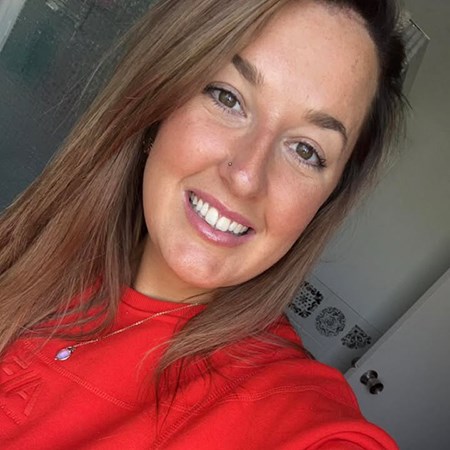
It was a Monday morning, and I was 29. My partner woke up to me having a seizure. I wasn’t very responsive, so an ambulance was called. From there, my life shifted in ways I couldn’t have imagined.
I have no memory of those first hours, but I’ve been told I was confused - at one point thinking I was in Ireland! My dad, seeing that I wasn’t myself, pushed for an MRI. After a lot of convincing, the doctor finally agreed. Living rurally, the nearest MRI was a 1.5-hour drive away. We had planned to go the next day, but I started vomiting on the way home and still couldn’t make sense of what was happening. We ended up doing the MRI that afternoon.
The people reviewing the scan wouldn’t tell my dad or my partner what they’d seen. They only said, take her straight to emergency. That was the first sign I was in serious trouble. From there, I was flown from Dubbo Hospital to RPA, where I spent a week or more, and then back to Dubbo Hospital before moving to Lourdes Rehabilitation for about 3–4 months.
Recovery was overwhelming. I had short-term memory loss, cognitive challenges, and my independence was gone. I was off work for 14 months - I had been a domestic violence case worker, and returning wasn’t easy. My confidence had taken a hit, and it felt like I’d lost the skills and energy that had once defined me. On top of that, my seizure meant my license was suspended, making life in a rural area even harder.
Even with virtual therapies and one-on-one support to finish my diploma in community services, recovery was isolating and, at times, incredibly depressing. I spiraled. For the first 1.5–2 years, I had PTSD - I dreaded Sunday nights, being alone, and every hospital visit triggered anxiety.
Now, nearly three years on, I feel more like myself. I have a son who’s about to turn one, and he’s made the world feel right again. Pregnancy after stroke was its own challenge, but I wouldn’t change a thing.
The Invisible Effects
Many people assume recovery is straightforward if someone “looks fine.” But living with an invisible disability is far more complex than appearances suggest.
For me, that includes fatigue, guilt, depression, memory loss, slower processing, anxiety, emotional sensitivity, self-doubt, and sensory sensitivities like bright lights or loud environments. There’s also the lifelong impact of medications and the different approach to pregnancy and birth.
The biggest misunderstanding I face is people assuming I’m “fully recovered.” Sure, I’m okay most of the time, but that 10% that isn’t okay consumes all of me. When I struggle, people can think I’m being “difficult” or “overly emotional,” instead of recognizing there’s a real, invisible reason behind it.
Daily Life After Stroke
Invisible challenges seep into every aspect of life. Returning to work was daunting. I had lost my confidence, my sense of thriving. Socially, I went through a spiral — relying on alcohol to give me courage, which led to blackouts and added complications with medications. Large social environments became overwhelming, so I limited myself and significantly reduced alcohol.
Strategies That Help
Managing an invisible disability requires systems and routines. At work, I rely heavily on post-it notes, emails instead of casual conversations, and cross-referencing calendars and diaries. I take my time completing tasks, and I’ve learned it’s okay to ask for help or step aside when needed.
It’s all about creating supports that allow me to keep advocating for others - my clients, my family, and myself - while acknowledging my own limits.
What I Wish People Understood
Be kinder. Be understanding. Look beyond the surface. Just because someone seems “fine” doesn’t mean they aren’t struggling. Invisible effects mean a lot of silent suffering, often because we don’t want to appear dramatic or burdensome.
Living with an invisible disability after stroke is complex, isolating, and exhausting. But three years on, I feel grounded in a positive place. I’ve learned to advocate for myself, create routines that support my brain, and prioritize my mental and emotional health.
Recovery isn’t linear. Some days are good. Some days are incredibly challenging. But with support, patience, and kindness - both from yourself and others - life after stroke is still a life worth living.