My Bonus Time
July 22, 2026
By Alicia
I often joke that I'm not the best person to ask what a stroke feels like.
I've had six or seven strokes, but I can't tell you exactly what happened on the day. What I can tell you about are the after-effects and the journey that followed.
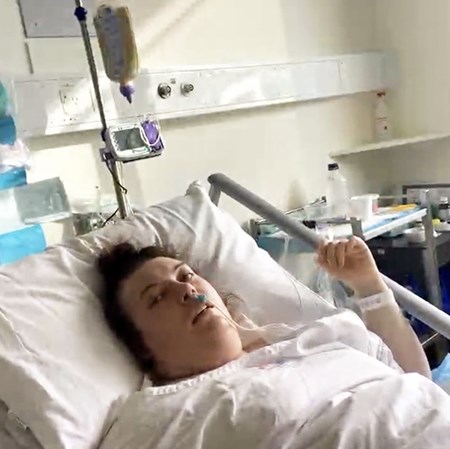
The first thing I remember is waking up in The Alfred Hospital. I was told I had suffered multiple strokes and had also been diagnosed with type 1 diabetes.
Everything was confusing.
What I learned later was that I had spent four to six weeks in an induced coma. The doctors didn't expect me to survive or wake up. If I did wake up, they didn't think I would walk, talk or regain use of my right arm and hand.
Well, here I am today
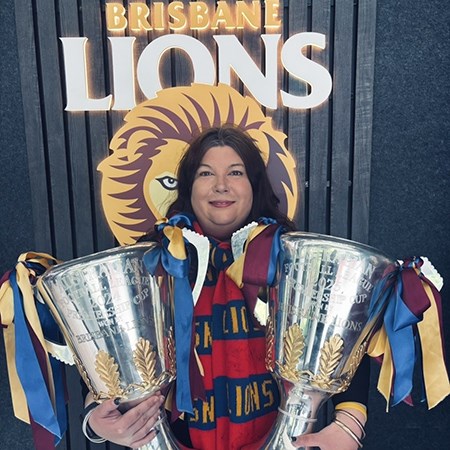
I walk, talk, and have the use of my right arm and hand; most people who meet me would have no idea what I've been through.
My recovery journey was a long one. I spent around eight to ten months in the hospital system. I went from The Alfred to Caulfield Hospital and then into a TLS rehabilitation house where I learned the skills I needed to return home and live independently again.
That rehabilitation house was one of the best things that happened to me.
When I woke up from the coma, I was in the middle of COVID19. There were no visitors. It was just me, the doctors, and the nurses. I was trying to make sense of what had happened and what life might look like next.
One of the first things I noticed was that my hair was gone.
I had beautiful long hair down to my belly button, but it had been shaved off so doctors could place a drain to stop the bleeding in my brain.
That was a shock, but strangely, I wasn't shocked by the stroke itself.
I knew I hadn't been well beforehand. What surprised me more was learning that I had type 1 diabetes. Looking back, I believe the undiagnosed diabetes had placed enormous stress on my body.
As difficult as stroke recovery was, learning to manage type 1 diabetes was, in many ways, even harder.
With stroke, I could clearly see what I needed to work on. I wasn't walking, talking, or using my arm properly, so I focused on those things.
Diabetes felt different. You can do everything right and still have challenges. It took me a long time to get my head around that.
One of the things that helped me most was thinking about my Connie - my grandmother. She had been a stroke survivor, too.
When I woke up and learned what had happened, I immediately thought about her. She had experienced her stroke at a relatively young age and had spent the rest of her life living with the effects.
She never regained use of her right hand, but she lived to 92.
I often thought about how she managed her recovery at a time when there was far less technology, support, and medical knowledge than there is today.
She became my inspiration – along with my dog Lucky and my beloved Brisbane Lions.
If she could keep going through everything she faced, then I could keep going too.
Recovery was all about small goals
In rehabilitation, I started by walking a few houses down the street and back again. Then I walked a little further. Then I walked around the block, every achievement mattered.
By the time I left rehabilitation, I had only been approved to walk independently five days earlier. At one stage, it looked like I would need a motorised wheelchair when I returned home.
That didn't happen. I was determined to keep moving forward.
The fatigue hit hard once I got home. I had wanted to jump straight back into work, but my body had other ideas.
I learned pretty quickly that recovery couldn't be rushed.
Even now, I still manage fatigue carefully. I plan my week, spread activities out, and make sure I leave time to rest. One thing that has been incredibly helpful is delivering community newspapers and junk mail.
It keeps me active, keeps me walking, and gives me a purpose. I spread the deliveries across several days so I can pace myself, and it has become a really important part of my recovery.
Another thing that played a huge role was Lego, people are often surprised when I say that.
In rehabilitation, Lego helped me use my right hand again. It helped with my concentration, problem-solving and fine motor skills. Reading instructions, following steps and putting things together was great exercise for both my hand and my brain. I still recommend it to people today.
Colouring also became a big part of my rehabilitation. What started as a recovery activity eventually turned into a passion. Today, I am part of an art group and have even exhibited my artwork. That's something I'm incredibly proud of.
If you had told me when I woke up from that coma that one day my artwork would be displayed in an exhibition, I would never have believed you.
Stroke changed my life, but it also changed my perspective
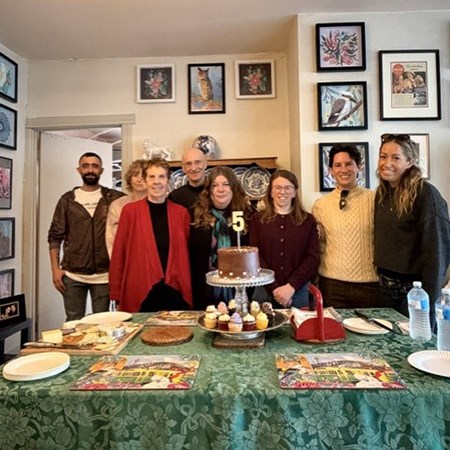
I became very selective about who and what I wanted in my life. I focused on the people who genuinely cared about me and supported me. I let go of things that no longer served me.
That's one of the gifts stroke gave me.
I know some people talk about getting a second chance at life, but I don't really use that phrase. I call this part of my life my "bonus time."
It's been five years since my strokes, and these have been five pretty amazing years. I've achieved things I never thought possible, and I've surprised myself. Most importantly, I've learned not to give up.
If there's one thing I hope other stroke survivors take from my story, it's this: don't let anyone tell you what your future will look like.
The doctors only see you at your worst. They don't know who you were before your stroke. They don't know your determination, your personality, or what you're capable of.
Nobody knows exactly what recovery will look like, that's why it's so important to keep going. Take it one step at a time, celebrate the small wins, and keep setting goals. You might surprise yourself. I certainly did.
P.S. I dedicate this blog to my Connie (my grandmother)
If this story resonates with you and you have question, please call the team on StrokeLine 1800 787 653