My life redefined
By Richard Wassell
I was deep in the ocean when my life changed forever. At just 28 years old, while serving on an Australian submarine off the coast of Sydney, I suffered a stroke that left me permanently paralysed on one side.
Because we were in a remote location and battling rough seas, I didn’t receive medical attention as quickly as I needed. When HMAS Darwin finally came into range, I was strapped into a stretcher, carried up a ladder, and transported by a small boat to a waiting helicopter.
At the hospital, I was placed in a hypobaric chamber, then moved to intensive care before spending three months in a recovery ward. I had to relearn how to walk and attended daily speech therapy. It was a long, exhausting process, but I refused to let my stroke define me.
I found stroke recovery one of the toughest battles I’ve ever faced. Some days felt almost impossible, especially when my body wouldn’t cooperate, when exhaustion took over or when progress felt painfully slow. But I stayed motivated by focusing on the small victories.
The first time I walked a few steps on my own. The first time I made it through a full day without breaking down. Each of these moments reminded me that no matter how slow, progress was still happening.
With no family support in Australia, I had to find the fire within myself. There were setbacks, but I refused to let them define me. I told myself, If I can get through today, I can get through tomorrow. And that’s exactly what I did - one day at a time.
I believe my mindset was the difference between moving forward and staying stuck. I realised that if I focused only on what I had lost, I’d never see what I was capable of gaining back.
Instead of dwelling on the frustration, I made a choice to focus on what I could do. If I couldn’t move my arm yet, I’d focus on strengthening my leg. If I struggled to speak, I’d celebrate the words I could say. I learned to embrace progress, no matter how small.
I also had to accept that healing wasn’t a straight road. There were setbacks and moments of doubt, but I refused to let them define my future. My determination became my greatest tool, because the moment I believed I could improve, I did.
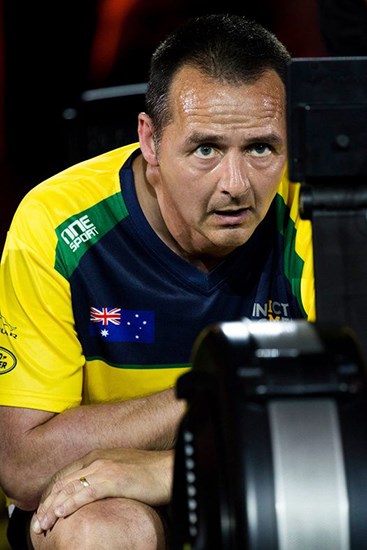
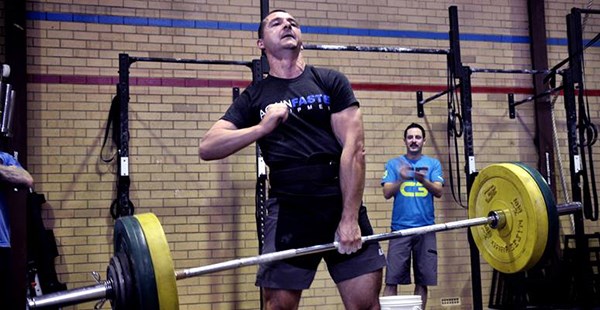
I turned to sport as a way to rebuild my life. I started with the City2Surf, then progressed to marathons, and eventually ultra-marathons. In 2012, I discovered a passion for indoor rowing and went on to set world and Australian records.
In 2017, I had the privilege of competing in the Invictus Games in Toronto. I didn’t win any medals, but the experience made me more determined than ever to pursue sports at an elite level. The following year, I became the inaugural single-arm indoor rowing world champion over 1000m, and now I’m training for the WA Championships in July.
Before my stroke, I lived like I had all the time in the world. I worried about things that, in hindsight, didn’t really matter. But when I found myself having to relearn basic skills like walking, speaking, even holding a spoon I realised how fragile life really is.
Now, as I approach 59, my priorities are crystal clear. I no longer take things for granted. I value my health, my relationships, and the simple joys of life. I don’t waste time on stress or negativity. Life isn’t about waiting for the perfect moment - it’s about appreciating what you have right now.
This stroke didn’t break me. It made me see what truly matters. And for that, in a strange way, I’m grateful.