Plateau in Stroke Recovery
By Karen
“Plateau” comes up often in stroke discussions, and there are myths worth unpacking.
Does Recovery Stop and Start Again?
No, our brains remain plastic throughout life — they can rewire. Building new neural pathways takes time and effort but remains possible. While some damage is permanent, most people who experience stroke can keep making gains toward their goals with therapy and persistence. This can continue for years — recovery doesn't just switch on and off.
Why the Plateau Talk?
Put simply, funding for public hospitals and health insurance is finite. For every person occupying a bed in a rehabilitation hospital, there’s another in acute care waiting to begin their rehabilitation. And yet another in the Emergency Department waiting for a bed on a ward. For every outpatient accessing hospital therapy hours, there is someone who has recently left hospital needing that appointment time. Regardless of investment in stroke care, budgets have limits, forcing hospital teams to make unenviable decisions about discharge timing so those waiting can begin their recovery.
Are People Being Misled?
It’s complicated. People recovering from stroke experience a wide range of emotions — from grief, depression, and anxiety, to fragility while coping with pain and discomfort, to fatigue and frustration with the ongoing hard work of rehabilitation. Understandably, these emotions affect motivation and engagement in therapy.
At some point, most people reach a stage of acceptance. Before then, they often cycle through phases of feeling more — or less — able or willing to engage in therapy. And long before that, hospital discharge typically happens to make space for the next person. In discharge conversations, the word “plateau” can be a kind way of saying, “We can’t help you right now because you’re emotionally overwhelmed,” or “Your enthusiasm and rate of improvement has decreased,” or even “We’ve taken you as far as we can — another patient needs this bed and our time more than you.” It makes the difficult task of discharge less uncomfortable for health professionals, but it is deeply disempowering for the person who has had a stroke — and it can lead to incorrect beliefs.
But Here's the Good News
Hospital discharge is rarely recovery's end — it's more often a pause, transition, or shift to healing in a different setting or pace. People living with stroke can keep pursuing goals through community or private therapy, research trials, local fitness centres, hobbies, or everyday experiences.
Equally, people who have had a stroke will eventually decide that where they are is enough — that it's time to stop being a patient and simply be themselves again — a person whose identity is richer and broader than their stroke. Perhaps that's the most meaningful plateau: reclaiming identity beyond stroke. Living with stroke is a process, not a destination — and you are in the driver's seat of your post-stroke life. The Stroke Foundation and stroke peers are there to help you navigate.
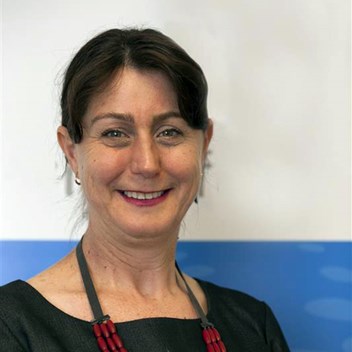
Karen Bayly, who survived and rehabilitated from a massive stroke, now spends her time parenting, working, volunteering, and relaxing.