Too Many Women Have the Same Story. It's Time to Change That!
Women affected by stroke recently joined healthcare leaders and advocates from across Australia to share their experiences and help shape the future of healthcare for women.
Women’s Voices to Help Shape the Future of Healthcare
While each woman’s story was different, common themes quickly emerged around dismissal, delayed diagnosis, inequality in treatment and the need for healthcare systems to better recognise women’s experiences and symptoms.
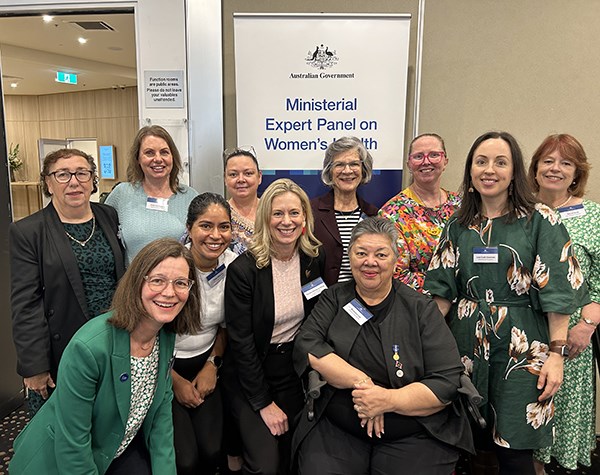
For Lisa Cook, one of the biggest issues is the way women’s symptoms are often misunderstood.
“I wish the healthcare system understood that stroke symptoms in women often look completely different from the ‘traditional’ signs seen in men,”
“Frontline health workers need to evaluate patients based on their actual presenting symptoms, rather than dismissing a stroke just because it doesn’t fit a textbook definition.”
That experience of feeling unheard was echoed by many women in the room.
Kim Beesley spoke about the frustration of trying to advocate for answers after her daughter Emma’s stroke. Kim suspected Emma may have Fibromuscular Dysplasia (FMD), a condition linked to carotid artery dissection and stroke, but says her concerns were dismissed by medical staff.
“I felt dejected, brushed aside as if I was a nuisance and wasting his time,”
Years later, Emma was formally diagnosed with FMD by another neurologist, and Kim discovered the necessary tests had never been completed during rehab.
Kim said one story shared during the roundtable stayed with her deeply.
“Two patients presented at a hospital with the same cardiovascular symptoms. The man was quickly taken through for heart tests and treatment,”
“The woman’s symptoms were dismissed as atypical, not offered a routine heart test, told she should be less anxious, take Panadol and sent home.”
Elisha Deegan believes one of the biggest changes needed is simple: women need to be believed.
“Women are believable,”
“We do understand what is happening to our bodies and our concerns need to be taken seriously.”
Elisha said that language itself also matters.
“Women’s symptoms are not atypical; they are typical women’s symptoms. We do in fact make up just over 50% of the population.”
For First Nations advocate and survivor, Courtney Rubie, the discussion highlighted the importance of culturally safe and holistic healthcare.
“Too often, First Nations people, particularly women, are dismissed, unheard or misunderstood when seeking healthcare,”
“In our ways of knowing, health is holistic. It centres mind, body and spirit, and you cannot care for one while neglecting the others.”
Courtney said sitting alongside strong First Nations women from across the country was incredibly powerful.
“We yarned about what we know to be true - healthcare must be locally responsive and grounded in community.”
“What Western medicine can learn from our ways is simple. When healthcare supports mind, body, spirit, culture and Country, people feel seen, supported and connected. Those approaches don't just benefit First Nations peoples; they can create better care for everyone.”
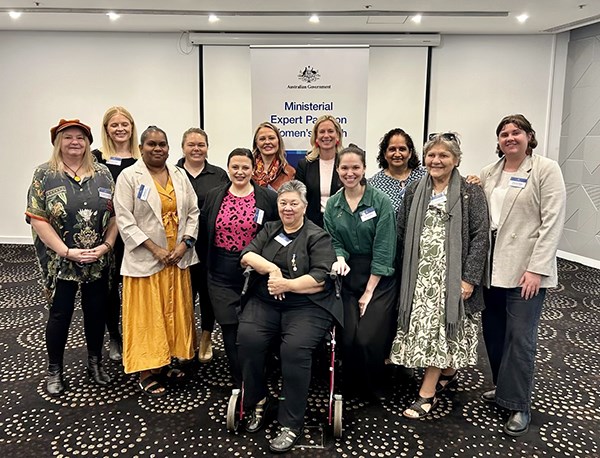
Priya Sharma shared her own confronting experience navigating emergency care after arriving at hospital dragging her left leg at just 24 years old.
“Staff told me the wait would be 2.5 hours,”
It was only after she experienced seizures in a wheelchair that she was urgently taken for a CT scan.
“I needed faster triage, someone to acknowledge the severity, and immediate neuro assessment.”
Despite the difficult experiences shared, many women described the roundtable itself as empowering and hopeful.
“It was incredibly empowering and meaningful to be in a room with other women sharing their lived experiences to help shape the future of healthcare,”
“There was a strong sense of connection, understanding and purpose.” said Priya
For Letisha Living, one phrase from the day stayed with her.
“Always a person, sometimes a patient,”
“See and treat the person holistically, free from judgement.”
“Women's symptoms do not always present in the way people expect. When that happens, concerns can be dismissed or misdiagnosed, leaving women feeling unheard, misunderstood and overlooked.”
Toni Arfaras believes improving women’s healthcare starts with education, both for healthcare professionals and women themselves.
“Women spoke about delaying seeing a doctor due to the busy-ness of their lives and downplaying symptoms, which resulted in delayed diagnosis,”
“Women need to know that taking care of their health isn’t being selfish.”
Julie Clydesdale said hearing similar experiences across the room reinforced just how widespread these issues are.
“Sharing my lived experience and discovering common themes amongst the group provided not just clarity on the imbalance of treatment women experience but validated that we as a collective were not alone.”
The roundtable created space for women to speak openly about the realities of navigating healthcare and highlighted the critical role lived experience plays in shaping better systems, policies and outcomes for future generations of women.
Across every story shared was one clear message: women deserve to be heard, believed and treated with dignity.
Summing up the day's conversations, Dr Lisa Murphy, CEO Stroke Foundation said,
"The women who shared their stories did so with remarkable courage and generosity. Their experiences highlight there is still more work to do to ensure every woman is heard, believed and receives timely, equitable care."
Lived experience is one of our greatest teachers. By listening to women, learning from their experiences and embedding their voices into healthcare design, policy and practice, we can build a system that delivers better outcomes for everyone."
At Stroke Foundation, we are committed to working alongside women with lived experience, healthcare professionals and partners across the sector to improve stroke awareness, reduce inequities and help create a healthcare system where every woman feels seen, respected and supported."
If this story resonates with you and you have question, please call the team on StrokeLine 1800 787 653