2026 Research Grants recipients
Stroke Foundation has awarded $434,989 to support eight researchers and their colleagues to undertake innovative research activity that aims to transform stroke prevention and recovery.
2026 Tim Glendinning Memorial Fund for Young Adult Stroke Grant (proudly supported by Tradeweb)
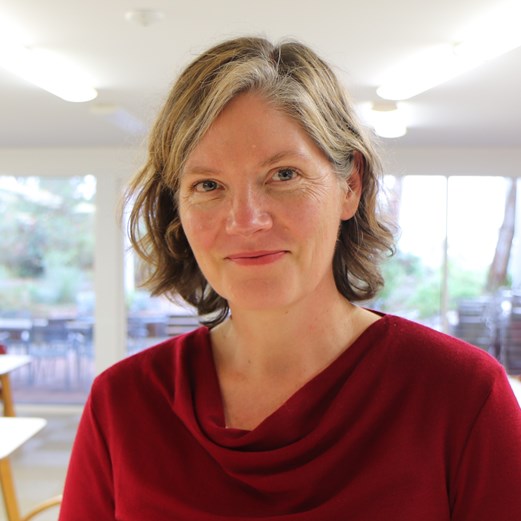 |
Associate Professor Elizabeth Lynch - Flinders UniversityRe-imagining recovery after stroke: a Stroke Recovery College for Young Survivors of Stroke This project grew from listening to survivors of stroke who often felt abandoned, lost, and uncertain during early recovery. Inspired by Recovery Colleges in mental health, the project aims to provide knowledge, peer support, and identity rebuilding for survivors. The project will co-develop the model with the survivor community and explore its potential to fill a critical gap in post-stroke support. |
2026 Nancy & Vic Allen Stroke Prevention Memorial Fund Grant
|
|
Professor Monique Kilkenny and Dr Stella Talic – Monash UniversityDevelopment and implementation of a new minimum set of primary care quality indicators to prevent stroke and heart disease in the Australian community Stroke and heart disease are leading causes of death in Australia, yet preventable through better risk management. This project will create nationally agreed clinical quality indicators, developed by a multidisciplinary panel, to monitor and improve preventive care. Outputs include a toolkit and manual to help Primary Health Networks (PHN) and software vendors embed these measures into existing systems. |
Stroke Foundation Seed Grants
Seed Grants aim to generate new knowledge, kickstart innovative projects and provide a platform for emerging researchers to tackle gaps in stroke care and excel in their stroke specialty.
Our 2026 Seed grants called for projects to address:
- Research in priority populations (as defined) in any stage of care.
- Translational and implementation research.
- Long-term community support beyond 6 months post-stroke.
- Long-term social and emotional wellbeing beyond 6 months post-stroke.
Three projects were awarded Seed Grants of up to $80,000 each, commencing in 2026.
Seed Grant Recipients
 |
Dr Lilian Carvalho - The University of MelbourneYounger adults with stroke Taking Charge: a pilot randomised feasibility study to tailor the self-directed rehabilitation program ‘Take Charge’ to a younger chronic stroke population The Taking Charge program focuses on supporting young Australian survivors of stroke (ages 18–55) living with chronic stroke. This pilot trial will test the feasibility of delivering a program via telehealth, ensuring accessibility and inclusion while focusing on long-term social and emotional wellbeing. |
 |
Dr Lachlan Dalli - Monash UniversityCo-designing the COordinated Medication Prescription and Adherence Support System (COMPASS) for survivors of stroke Medications for blood pressure, cholesterol-lowering, and blood thinning can reduce the risk of another stroke by up to 80%. But many people stop taking them, often without meaning to. The project will involve working with people with lived experience of stroke, clinicians, and technical experts to co-design a digital health platform to support survivors of stroke in managing their medications. |
 |
Ms Dina Pogrebnoy - Western HealthA Phase 2a clinical trial testing the safety and promise of efficacy of digital resources aimed at improving functional outcomes in priority populations undergoing inpatient rehabilitation after stroke. This project aims to adapt co-designed digital rehabilitation resources to be culturally relevant and accessible for survivors of stroke from Culturally and Linguistically Diverse (CALD) and socioeconomically disadvantaged backgrounds. The project will address a critical gap in stroke research and seeks to enhance equity in recovery for underrepresented communities. |
2026 Future Leader Grants
These grants aim to develop leadership skills, increase potential for successful collaboration, build confidence and capabilities of emerging researchers, including those with lived experience, to contribute to stroke research.
Future Leader Grant Recipients
 |
Dr Lisa Anemaat - The University of Queensland2026 Dr Anna Correll Future Leader in Aphasia Research Grant
This grant will enable travel to the UK to learn from leading experts in co-design and partner with consumers in research at City St-George’s University of London and Priority Setting Partnership project advisors at the James Lind Alliance. This important opportunity will allow exploration into the development and design of an international collaborative priority setting project, specific to stroke and aphasia. |
 |
Dr Matthew Berryman – La Trobe University2026 Future Leader with Lived ExperienceImproving communication recovery for people with aphasia through research collaboration The project will enable a deepening in expertise in aphasia research through multidisciplinary exploration of technologies such as large language models, virtual reality, and AI for speech evaluation. The project will help identify research gaps, advance therapy in realistic contexts, and support transition into a leadership role within the aphasia and stroke research community. |
 |
Dr Tharshanah Thayabaranathan - Monash University2026 Future LeaderStrengthening community-focused stroke research through leadership and national collaboration The grant will enable dedicated professional development with access to leadership training, expert mentoring, and new collaborations strengthening Dr Thayabaranathan’s ability to lead co-designed, community-focused stroke research. |