By the Mob, for the Mob
Gomeroi/Gamilaraay/Kamilaroi Community members, Aboriginal survivors of stroke, family members and Aboriginal health professionals created these culturally safe stroke education resources to improve stroke outcomes for Community.
The videos share local stories, trusted voices and practical information about recognising stroke, calling Triple Zero (000), going to hospital, and supporting recovery.
Watch the full video below
This full-length video shares Community-led stories and information about stroke.
The videos aim to:
- Increase awareness of the signs of stroke.
- Encourage people to call Triple Zero (000) immediately if stroke is suspected.
- Explain what happens during the hospital journey, including emergency care and medical imaging.
- Address concerns and fears about attending hospital.
- Highlight the support available during recovery and ways to reduce the risk of another stroke.
- Promote culturally safe care and strengthen community confidence in accessing stroke services.
Social Media Resources
The Community created short videos for health services and Community to share on social media to promote stroke awareness and save lives.
Know the signs of stroke
Introduces the local, place-based approach to types of stroke and the strength of Community knowledge. View video
Country as a teacher
Helps people recognise common signs of stroke quickly. View video
What F.A.S.T. stands for
Explains Face, Arms, Speech and Time (F.A.S.T.) in a simple way. View video
Call Triple Zero (000)
Aunty Coral and Aunty Ker emphasise the importance of calling Triple Zero (000) to save Community. View video
Addressing fears about hospital
Supports people to feel more confident seeking urgent care at the signs of stroke. View video
What happens when you call Triple Zero (000)
Introduces the local, place-based approach to types of stroke and the strength of Community knowledge. View video
Why it’s important to call Triple Zero (000)
Explains the importance of calling Triple Zero (000) and the importance of healthy communities. View video
Tough love, by the mob
Encourages people not to wait if there are signs of stroke and not worry about the cost of an ambulance and call Triple Zero (000). View video
Resources for Aboriginal Medical Services, GPs and Health Services
This video can be used in waiting rooms, community education sessions, websites, newsletters and social media channels to support conversations about stroke awareness and timely access to care.
Health services can use this video to start conversations about stroke signs, calling Triple Zero (000), hospital care and recovery.
More information about the project
Filmed on Gomeroi/Gamilaraay/Kamilaroi Country across Tamworth, Narrabri and Moree, the project was led by local Aboriginal Communities to help improve understanding of stroke, encourage timely access to care, and support recovery after stroke.
The resources include a full-length video, short social media clips, and a video for health services and medical centres. Together, they aim to increase awareness of stroke, strengthen confidence in accessing care, and support culturally safe conversations about prevention, treatment and recovery.
The project builds on the earlier Written by the Mob for the Mob resources. While the original resources focused on written information to support Aboriginal communities affected by stroke, By the Mob for the Mob extends this work through video storytelling and culturally relevant digital content designed to increase stroke awareness and promote timely access to care.
Partners and Acknowledgements
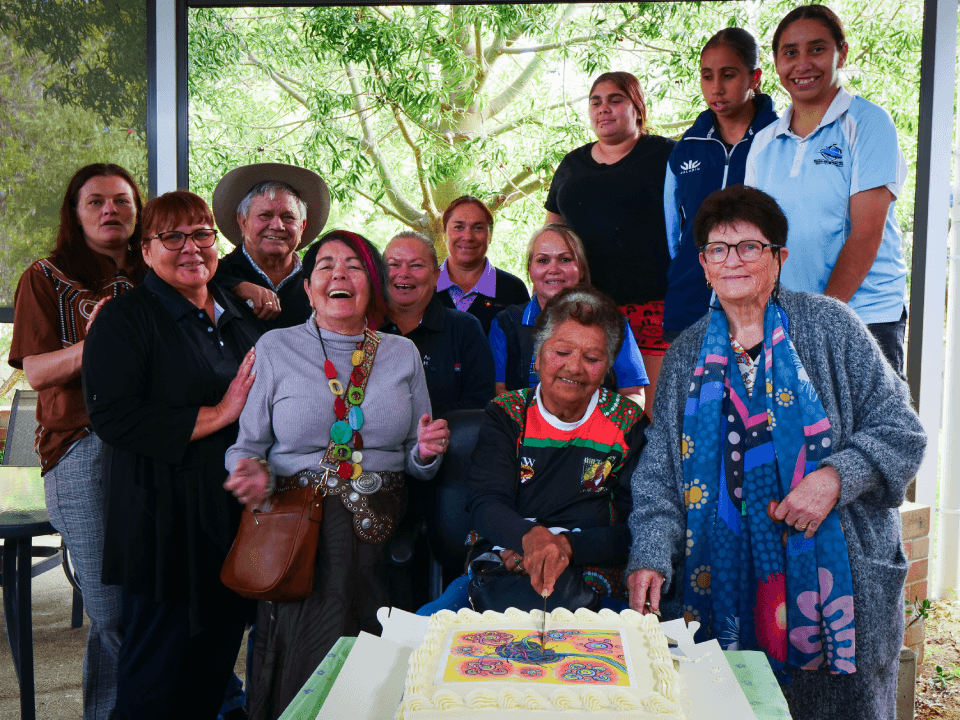
This project brought together Community members, Elders, survivors of stroke and their families, health services, researchers and organisations committed to improving stroke outcomes for Aboriginal and Torres Strait Islander peoples.
Special thanks to:
- Kamilaroi Gomeroi/Gamilaraay community members and Elders
- Uncle Joe Miller
- Aunty Kerry Wade
- Aunty Coral Toomey
- Aunty Audrey Trindall
- Dr Reakeeta Smallwood
- Rachel Peake (Hunter New England LHD)
- Aboriginal Health Workers and Aboriginal Community Controlled Health Services
- Community partners across Narrabri, Moree, Tamworth and surrounding communities.
- Community members with lived experience of stroke
- Hunter New England Local Health District and Hunter Stroke Service
- Hunter New England Multicultural and Refugee Health Service
- NSW Ambulance
- Tamworth Aboriginal Medical Service
- PIUS X Aboriginal Corporation Medical Service (Moree)
- Narrabri Hospital
- Moree Hospital
- Yarning Up After Stroke Project
- Stroke Foundation
- All health workers, students, families and community members who supported filming on Country.
For more information about the By the Mob, for the Mob, contact:
Dr Reakeeta Smallwood reakeeta.smallwood@sydney.edu.au
Rachel Peake Rachel.Peake@health.nsw.gov.au